How to Prevent the Summer Slide in Math for Kids Aged 3-7
Early Childhood Education
Jun 12, 2026
Summer learning loss steals math skills from kids 3–7; short, playful 15–20 minute activities prevent the slide and keep summer fun.

Summer learning loss, or the "summer slide", is a real concern for kids aged 3-7, particularly in math. Research shows students lose 10-30% of their math progress over the summer, with younger children most affected. This setback delays development of key skills like counting, arithmetic, and problem-solving, making the return to school harder for students and teachers alike.
Here’s what you need to know:
Math suffers more than reading: Math skills fade faster because they’re less integrated into daily life.
Younger kids are at higher risk: Foundational skills like number sense and basic computation need consistent practice.
Teachers feel the impact: 90% spend a lot of time reviewing old material in the fall instead of teaching new concepts.
How to prevent it:
Make math part of daily activities like cooking, shopping, or nature walks.
Use short, fun practice sessions (15-20 minutes, 4-5 times a week).
Try hands-on games or digital tools like Funexpected Math for engaging, skill-supporting activities.
The goal? Keep math practice light and fun so kids stay sharp without losing the joy of summer.
Teachers try to combat summer learning loss
The Research: Facts and Numbers on Summer Learning Loss
Key Statistics
Summer slide is anything but the myth. The numbers paint a clear picture of learning loss, especially in math. On average, students lose about one month of grade-level math skills during the summer break [1]. Research shows these losses can range from 10% to 30% of a school year's math progress [2]. For students in the lowest 10th percentile, the impact is even more severe, with losses exceeding a full year's worth of typical school-year gains [1].
The problem worsens as children move through the early elementary grades. The table below highlights how average math scores drop more significantly with each grade transition:
Grade Transition | Average Math RIT Drop |
|---|---|
Kindergarten to Grade 1 | 2.0 points |
Grade 1 to Grade 2 | 5.2 points |
Grade 2 to Grade 3 | 6.4 points |
The sharp increase from Grade 1 to Grade 2 emphasizes how crucial regular math practice becomes as tasks grow more complex. Skills like carrying numbers, multi-step addition, and early subtraction require consistent reinforcement, or they risk fading quickly.
Why Math Skills Drop More Than Reading
The data also reveals why math skills, especially procedural ones, tend to decline more than reading during the summer. While reading scores remain relatively stable, with average changes under one RIT point, math scores show a much steeper decline over the same period [1][2].
The main reason? Math isn't as naturally integrated into daily life as reading. Harris Cooper, a professor at the University of Missouri–Columbia, explains:
"The effect of summer break was more detrimental for math than for reading and most detrimental for math computation and spelling." [3]
Procedural math skills, like sequencing operations or solving multi-step problems, are particularly vulnerable. Megan Kuhfeld, an NWEA Research Scientist, adds:
"If you stop practicing a skill (particularly a procedural one such as math), you can easily forget how to do parts of it." [4]
Another factor is working memory. Math requires actively holding and manipulating information, which provides a mental workout. Without regular practice over the summer, these cognitive pathways can weaken faster than those used for reading [1].
For younger children, ages 3 to 7, who are still developing foundational skills, this decline happens even more quickly. These insights highlight how summer learning loss directly affects classroom performance, particularly in math and problem-solving.
How Summer Affects Math and Problem-Solving in Young Children
Which Math Skills Are Most at Risk
For children between the ages of 3 and 7, regular practice is key to solidifying early math abilities. Over the summer, skills that rely on repetition - like basic arithmetic and step-by-step problem-solving - tend to fade the most. These "procedural skills", which involve knowing the steps to solve a problem, are particularly at risk when daily practice stops. On the other hand, broader concepts, such as understanding that addition means combining groups, tend to stick around better during the break [5].
Here’s a quick breakdown of how different math skills hold up during summer:
Skill Type | Vulnerability to Summer Loss |
|---|---|
Math computation (basic arithmetic) | High - needs regular reinforcement [3] |
Procedural steps (how to solve a problem) | High - specific sequences are easily forgotten [5] |
Spatial reasoning (shapes, patterns, blocks) | Moderate - can often be maintained through play [5] |
Conceptual understanding (what an operation means) | Low - general ideas are more durable [3] |
For young children, losing these foundational skills can create a ripple effect. If they forget counting sequences, simple addition facts, or how to recognize patterns, building on those basics becomes much harder. This can lead to challenges in grasping new material and even shake their confidence in math overall.
How Skill Loss Affects Children in the Classroom
The effects of summer learning loss go beyond just falling behind academically. When kids return to school unable to recall material they once mastered, they may start to feel like they’re inherently "bad at math." In reality, this struggle usually comes from a lack of practice rather than an inability to learn. Unfortunately, this gap in skills can make the first weeks of school particularly tough for both students and parents [6].
"A child who had solid multiplication tables in May can lose that automaticity by August, which makes the first weeks of fall math frustrating for both of you." - Cassie Olguin, Education Specialist [6]
Losing automaticity - the ability to recall math facts quickly - can be especially disruptive. When a child has to pause and calculate something they used to know instantly, it takes up mental energy that could be used to tackle new concepts. This slows down their progress and can make math feel more overwhelming than it should.
The problem doesn’t just affect individual students - it’s a classroom-wide issue. Surveys show that 90% of teachers spend at least the first three weeks of the school year reviewing material from the previous year instead of moving on to new lessons [4]. Over time, this cycle of review can snowball, creating long-term challenges for students.
"Weak foundations of early mathematical knowledge built up in the elementary and middle school grades may block low-income children's opportunities for future success in advanced mathematics coursework, a critical gatekeeper to STEM career pathways." - Kathleen Lynch, Harvard Graduate School of Education [7]
What Parents Can Do to Prevent Summer Learning Loss
Adding Math to Everyday Activities
Keeping math skills sharp during summer doesn't have to mean sitting down with a workbook. Everyday moments can turn into math practice. Cooking, for instance, lets kids measure ingredients and count items. Grocery shopping becomes a fun game of estimating totals. Even a simple walk to the park can involve counting steps, spotting shapes, or finding patterns in the environment [8].
"Math is like a language - it needs consistent use to stick and kids need regular practice to maintain and build their skills." - Dr. Melania Alvarez, Outreach and Education Coordinator, UBC [9]
By framing these activities as playful challenges rather than chores, you can make math feel like a natural part of the day. These informal exercises can also set the stage for more structured and enjoyable math activities.
Hands-On Math Activities for Summer
Tactile and interactive activities are another great way to keep math skills fresh. Games like hopscotch math, building with blocks, or playing card games that involve addition can make learning fun [10]. Research suggests that shorter, consistent practice sessions - 15 to 20 minutes, 4 to 5 times per week - are more effective at preventing learning loss than cramming everything into a single long session [8]. Over a 10-week summer break, this adds up to more than 15 hours of practice [11].
"The minimum viable version, the thing they'll actually do without a battle, is more valuable than the optimal version they hate." - Cassie Olguin, Outschool [6]
If your child has specific interests, like dinosaurs, space, or sharks, use those as a springboard for math activities. Count dinosaur teeth, measure the size of model planets, or compare shark species. These activities not only keep their number sense active but also make math feel relevant and exciting.
Using Digital Tools Like Funexpected Math

When hands-on or outdoor activities aren’t an option, digital tools can step in to keep math practice going. Short, daily sessions with these tools are an effective way to reinforce skills [12].
Funexpected Math is a great example. Designed for kids ages 3–7, this award-winning app offers over 10,000 tasks and 675 lessons across more than 50+ topics. The app’s personalized digital tutor adjusts to your child’s skill level, ensuring each session feels challenging yet fun.

Aika, a digital tutor within the Funexpected Math app
The app includes all essential topics from PreK-2 program and goes further, covering areas like logic, geometry, even algorithms and early coding. Built like an engaging space adventure, it is actually an age-appropriate challenge, fully compliant with math milestones for ages 3-7.

Just two 15-minute sessions with Funexpected Math a week are enough to support a kid’s actual skills and even see notable progress [14]. A quick 15-minute session will fit easily in the daily routine - whether after breakfast or before heading to bed, or during the transportation. By combining everyday activities with digital resources, you can make learning an enjoyable part of the summer season while keeping those essential math skills intact.
Printable Worksheets
Some parents may argue that worksheets during the summer can feel a bit like a chore for kids. On the other hand, printable math worksheets are a simple and effective way to help prevent summer learning slide.
The biggest advantages of printable worksheets is their convenience – they can be taken anywhere, whether you're traveling, visiting relatives, or spending time outdoors. They don't require electricity, Wi-Fi, or a screen, making them a great option for learning on the go. With fun, age-appropriate activities, worksheets can turn math practice into an easy part of a child's summer routine.
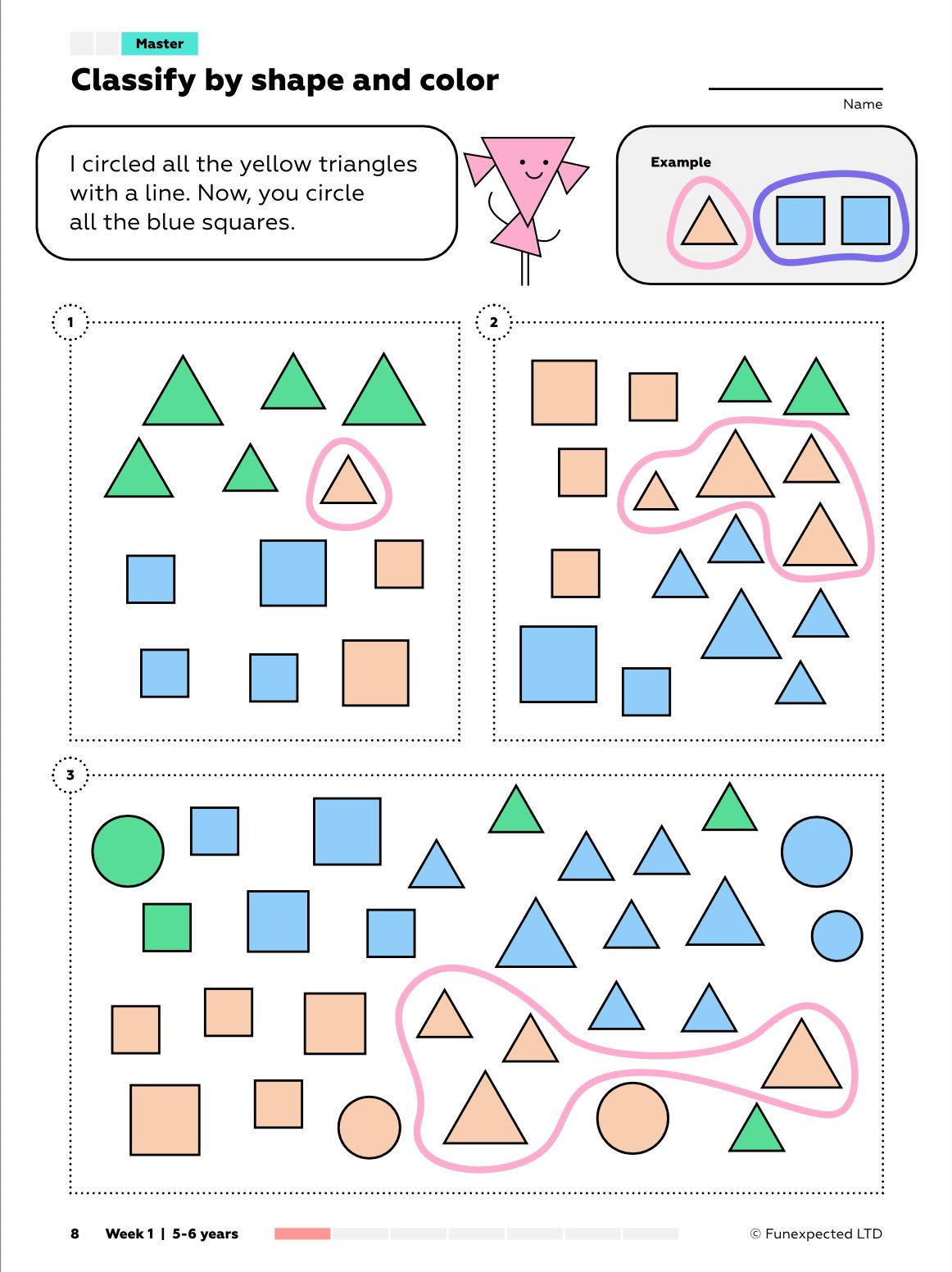
You can find a lot of printable worksheets files on the web. For example, here are the downloadable worksheets offered by the Funexpected Math. You can find much more of them within the app, available anytime.
What Teachers Say About Summer Learning Loss
Teachers' Observations on Summer Learning Loss
Teachers often notice the effects of summer break on students' learning, particularly when it comes to math skills. Megan Kuhfeld highlights that 90% of teachers start the school year by reviewing material from the previous year, which means valuable time is spent revisiting old lessons instead of diving into new ones [4].
Math skills seem to suffer the most during summer. A child who confidently answered basic addition problems in June might find themselves relying on their fingers again by September. This decline happens because math relies heavily on procedural skills that can fade faster than the skills involved in reading. As NWEA research points out:
"Math learning relies on procedural skills that may fade from memory more quickly than the skills involved in reading." [2]
Reading, on the other hand, gets a boost from everyday exposure - through signs, conversations, or books - while math doesn't naturally integrate into daily routines as easily.
For younger children (ages 3–7), this decline is particularly worrisome. At this stage, foundational skills like number sense and basic computation are still developing. A 10-week break can lead to noticeable gaps, which can snowball into bigger challenges later since math concepts build on one another.
Teachers have observed these patterns and suggest practical ways for parents to help bridge the summer learning gap.
Teacher-Recommended Strategies for Parents
Teachers suggest that parents incorporate math into everyday life in ways that are simple and enjoyable, rather than turning summer into an extension of the classroom. The goal is to keep skills sharp with short, consistent practice sessions that don’t overwhelm kids or make summer feel like endless review.
One useful step is to talk to your child’s teacher before summer begins. They can pinpoint specific skills that might need extra attention. For younger kids, this often means focusing on addition and subtraction fluency. Teachers also recommend a "talk-aloud" technique, where kids explain their thought process as they solve problems. This approach encourages active recall and strengthens calculation skills [1].
According to teachers, everyday activities are also a great way to keep math fun and relevant. For example:
Cooking: Measure ingredients together.
Shopping: Let your child handle change during purchases.
Outdoor walks: Count objects like cars, birds, or flowers.
These small, natural moments can make a big difference in maintaining math skills over the summer without it feeling like traditional homework [6].
Fun Math Practice: Anywhere, Anytime
Math Games for Car Rides, Parks, and Waiting Times
Summer is packed with little moments - whether it's a car ride, a park visit, or waiting in line - that are perfect for sneaking in some math practice. The key? Keep it light and fun so it doesn’t feel like schoolwork.
On road trips, try License Plate Math: kids can add or subtract the numbers they spot on passing license plates. At the park, a Nature Scavenger Hunt works wonders - sort sticks by length, count flower petals, or identify geometric shapes in leaves. Stuck in a waiting room? Have your child add numbers from menus, posters, or clocks. These activities are zero-prep and require no materials.
"Learning is not a place you go; it is a way of seeing the world. Summer is the best time to prove that to our children." - Sunny Hedge, Teacher & Education Specialist [11]
For an extra boost, adding movement to these games can make math practice even more effective.
Math on the Move
While simple math games are great, incorporating physical activity takes learning to the next level. Suzy Koontz, CEO and Founder of Math & Movement, highlights the connection between movement and learning:
"Physical movement also supports the growth of the hippocampus, a region of the brain responsible for learning and memory. All in all, when the body is moving, the mind has the greatest potential to learn." [15]
Instead of paper exercises, try drawing a chalk number line on the driveway or setting up a hula hoop circuit for math challenges. Even the way you present the activity can make a difference - calling it a "Secret Mission" or "Explorer Time" instead of "math practice" can shift how kids perceive it [11].
Keeping Math Playful
For those moments when outdoor play isn’t an option - like rainy afternoons or long flights - digital tools like Funexpected Math come in handy.
To keep kids interested without overwhelming them, aim for 15-minute sessions each day. Research shows that shorter, consistent practice is more effective than longer, sporadic efforts [12]. Think of Funexpected Math as a flexible addition to your summer routine - not a replacement for outdoor play, but a handy tool to keep math fun and accessible wherever you are.
Conclusion: Keep Kids Learning Without Losing Summer Fun
Summer learning loss is a real challenge, especially when it comes to math. Research shows that students can lose a large chunk of their math progress over just one summer [16]. For kids ages 3–7, this is even more concerning because their early procedural skills rely on frequent practice to stick.
That said, tackling this issue doesn’t mean turning summer into a grind. As researchers Megan Kuhfeld and Simona Beattie explain:
"Summer doesn't have to be a difficult choice between total relaxation and academic boot camp - it can be a thoughtful balance of rest, exploration and growth." [4]
The key is finding ways to combine learning with fun. Just two or three short sessions a week - 15 to 20 minutes each - can help kids maintain their skills. And the good news? Everyday activities like cooking, card games, or spotting shapes during a park visit all count. These activities keep those math "muscles" working without feeling like homework.
For those rainy days or when outdoor play isn't an option, digital tools can step in to make math practice fun and accessible. Apps like Funexpected Math are a great way to keep kids engaged, offering learning opportunities anytime, anywhere.
FAQs
How can I tell if my child is experiencing summer slide in math?
If your child starts struggling with math concepts or facts they had down pat in June, it could be a sign of the summer slide. You might notice difficulty completing multi-step problems, frustration with material they previously mastered, or hesitation when working on group math activities. Teachers often pick up on these gaps when school resumes in the fall. Keep an eye out for these changes and consider reaching out to your child’s teacher for guidance on addressing any setbacks.
What’s the minimum weekly math practice needed to prevent summer learning loss?
Practicing math a few times a week can help prevent summer learning loss - there’s no need for daily sessions, which can feel overwhelming. Instead, aim for short, consistent sessions of about 15–20 minutes to keep math skills sharp. To make it enjoyable, weave math into everyday activities like cooking, playing games, or even tracking sports scores. This approach keeps learning fun and avoids turning it into a chore.
Which math skills should we focus on most for ages 3–7 during summer?
For kids aged 3–7, summer can be a tricky time for maintaining essential math skills like procedural fluency, repetition, and solving multi-step problems. To help, focus on reinforcing basic math facts, computation fluency, and multi-step tasks in ways that feel natural and fun.
For younger children, turn everyday moments into learning opportunities. Use real-world objects to practice addition and subtraction, play games that involve counting money, or make cooking a math lesson by measuring ingredients together. These activities not only keep math skills sharp but also make learning enjoyable and interactive.
Related Blog Posts
Transform Math Learning for Kids
Explore Funexpected's interactive math program designed for children aged 3-7. Build math fluency, logic, and problem-solving skills through engaging, hands-on activities and a personalized digital tutor.