Study: Screen Time and Early Learning
Early Childhood Education
Feb 14, 2026
Excessive passive screen use can delay language, social, and cognitive skills in young children; prioritize interactive educational content and caregiver co-viewing.

How much screen time is too much for young kids? Research shows that excessive screen use can delay language, cognitive, and social development in children under 7. But not all screen time is created equal - interactive and educational content, especially when watched with a caregiver, can support learning and cognitive development. Here's what you need to know:
Excessive screen time impacts development: For kids aged 2–4, spending over 3 hours a day with screens doubles the risk of vocabulary delays by age 3.
Content quality matters: Educational programs like Sesame Street improve school readiness, while adult-focused content weakens math and executive function skills.
Parent involvement is key: Co-viewing and discussing content enhances learning and social skills, helping mitigate negative effects.
AAP's updated guidelines (2026): Focus on content quality, context, and balance rather than strict time limits.
The takeaway? Limit passive screen use, prioritize educational apps or shows, and actively engage with kids during screen time to make it a positive experience.
What Research Tells Us About Screen Time and Early Learning
Effects on Language and Cognitive Development
Research sheds light on how screen time can interfere with language and cognitive growth. Studies repeatedly show that young children learn far less from screens than they do through face-to-face interactions. This is often referred to as the "video deficit effect." For instance, by 12 months, infants need twice as many demonstrations to learn an action from a screen compared to learning it from a live person [1].
Watching TV before 12 months and exceeding two hours of daily screen time increases the risk of language delays by six times [1]. A survey involving 31,000 toddlers found that 1–2 hours of daily mobile device use was linked to a 30% rise in language comprehension difficulties [2].
Screen exposure also impacts executive functions like planning and problem-solving. For example, screen use starting as early as 4 months has been linked to weaker inhibitory control 10 months later [1].
However, not all screen time is equal. Educational programs watched with caregivers tend to yield better outcomes [1]. Positive parent-child interactions, such as labeling objects and narrating activities, can help counteract screen time's negative effects [3].
Impact on Math and Academic Skills
Excessive screen time during early childhood has been tied to lower academic performance. Watching general-audience programs heavily at age 2 has been linked to weaker math skills and receptive vocabulary during the preschool years[4].
In one study of preschoolers aged 5–6, children averaged over 850 minutes of weekly screen time - about two hours daily - and this was negatively associated with cognitive flexibility and verbal working memory, both crucial for academic success [5].
On the other hand, exposure to child-focused educational programs like Sesame Street at age 2 was linked to better school readiness at ages 3 and 4. This included improved knowledge of numbers, letters, shapes, and spatial relationships [4].
Social and Emotional Development
Screen time also plays a role in shaping social and emotional behaviors. For example, children who used screens for two hours daily showed a 1.30 times higher likelihood of behavioral problems, which increased to 1.90 for those using screens three or more hours per day [6].
The effects appear early. Infants aged 6 to 18 months exposed to screens tend to show fewer joint attention behaviors - like alternating their gaze between a caregiver and an object - which are key for early social communication [7]. High screen use between 12 and 36 months often replaces opportunities for peer interaction, indirectly contributing to developmental delays in personal and social skills [8]. The National Institutes of Health explains:
"Having higher screen time from 1 to 3 years increased the odds of developmental delay indirectly through reduced peer play time" [8].
Emotional development can also suffer over time. For instance, having a TV in the bedroom at age 6 predicts lower emotional understanding by age 8 [9]. Additionally, each extra hour of TV exposure at age 2 is associated with a 7% drop in classroom participation by fourth grade [10]. Parent distraction due to technology, often called "technoference", exacerbates these challenges by lowering the quality of parent-child interactions [7].
That said, interactive co-viewing can make a significant difference. Research from the University of Geneva highlights:
"Toddlers who did not engage in interactive co-viewing during exposure had a lower total score of prosocial behaviors than toddlers who did" (Estelle Gillioz, University of Geneva) [7].
This suggests that when parents actively engage with their children during screen time by explaining and discussing content, they can turn a passive activity into a more enriching and socially engaging experience.
Understanding the Risks and Benefits of Screen Time
Why Content Quality Matters
The conversation around screen time has evolved. On January 20, 2026, the American Academy of Pediatrics shifted its recommendations, moving beyond simply tracking the minutes spent on screens. Instead, they now emphasize evaluating the "digital world" children engage with - focusing on the quality of content, the context in which it’s used, and maintaining balance [11]. This shift highlights an important distinction: not all screen time is created equal.
For young learners, the difference between passive and active screen use is key. Passive activities, like mindlessly watching videos, lack the interactive elements that support learning [12][13]. Even background TV can interfere with play and diminish the quality of parent–child interactions, which are vital for language development [14].
On the other hand, active screen time involves engaging directly with content - making choices, solving problems, and interacting. Research shows that interactive media can help children as young as 24 months retain new vocabulary and information when it responds to their actions [15].
Think of screen content like food: it can either nourish or provide little value, depending on its design [11]. As Khan Academy puts it:
"The goal isn't 'no screens.' The goal is screen time that helps your child - and helps you, too".
This focus on meaningful content naturally leads to the question: how can educational apps turn digital time into a learning opportunity?
How Educational Apps Support Learning
When designed with care, educational apps can make screen time a powerful tool for learning. Research-backed apps for early learners encourage cognitive development, language skills, and even executive function - especially when parents actively participate by co-viewing and discussing the content [16].
For children aged 3–7, apps like Funexpected Math bridge the gap between digital and real-world learning.
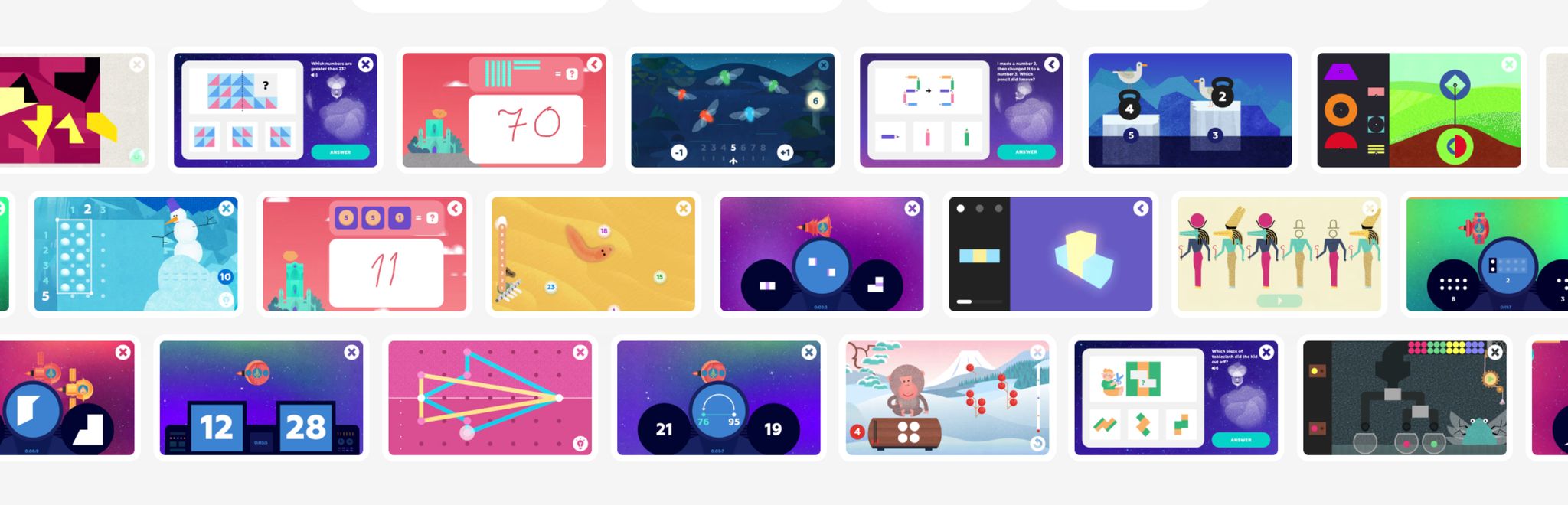
The app is designed for interactive learning, not passive watching. It offers a calm, relaxing atmosphere that helps children concentrate on tasks and avoid overstimulation and screen addiction. No annoying songs, no unnatural colors, no gamification at the expense of education. Learning with Funexpected Math feels like a dreamy journey through space with friendly characters and a supportive tutor.

Aika, the digital tutor in the Funexpected Math app
The presence of the digital tutor partially substitutes the co-viewing and co-learning with an adult. She scaffolds learning, asks guiding questions, introduces math terms, cheers up, and provides hints when needed. It’s like an older friend for a child, who’s always there to support them.
Special holiday quests, dedicated to major holidays like Thanksgiving Day and Christmas, are perfect for co-exploration with parents during family time.

Research conducted by the Behavioral Insights and Parenting Lab (University of Chicago) confirms the learning efficiency of the Funexpected Math app. And what is also important, just 30 minutes of learning a week is enough for significant progress.
This app offers over 10,000 tasks, 675 lessons, and 50+ topics in 16 languages. Through interactive activities like solving puzzles and manipulating shapes, it transforms screen time into an active learning experience.
To make the most of these tools, balance screen use with outdoor play and involve adults in the process. Co-viewing and discussing the content with children can significantly enhance the educational benefits [11][16].
How to Manage Screen Time for Parents and Educators
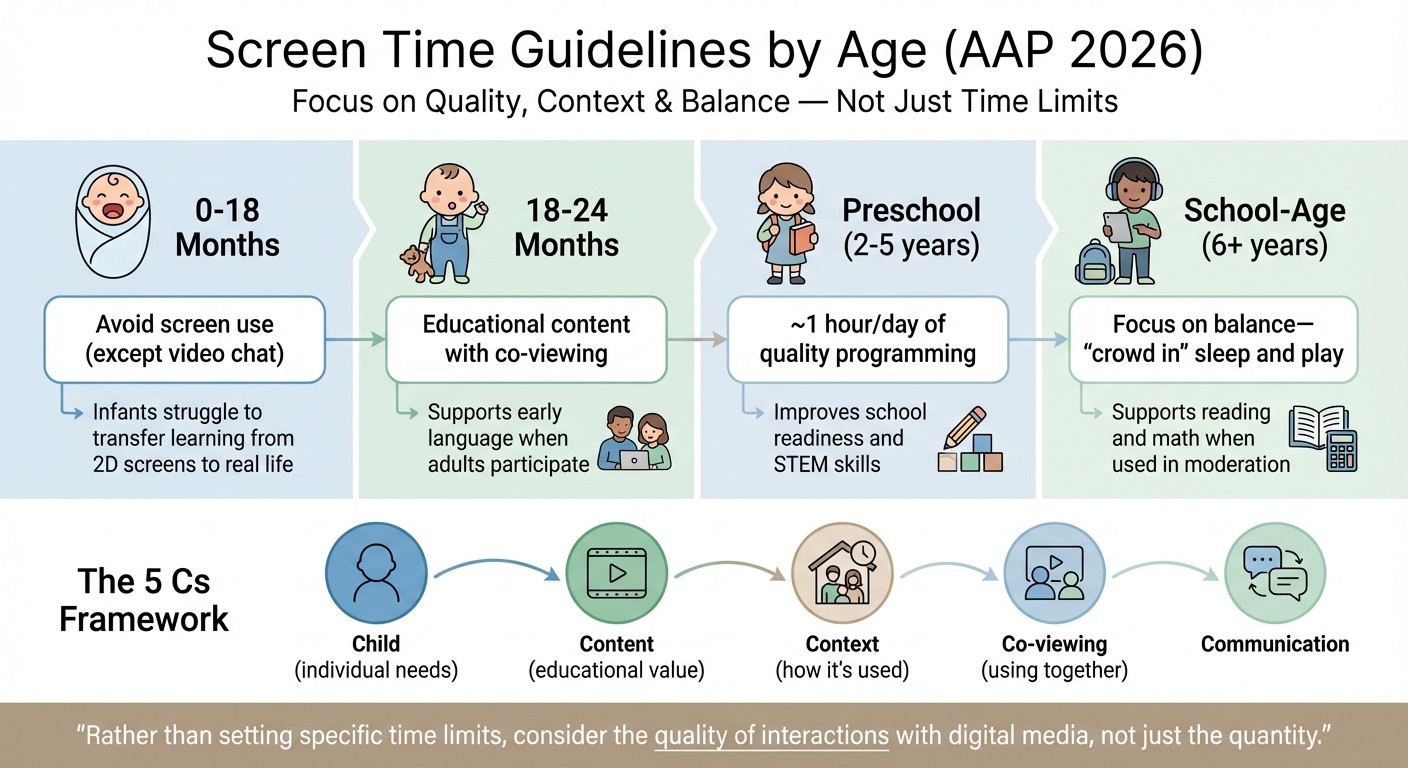
Screen Time Guidelines by Age: AAP 2026 Recommendations
Research on content quality and developmental impact highlights the importance of practical strategies for fostering healthy digital habits.
Recommended Screen Time Limits by Age
On January 20, 2026, the American Academy of Pediatrics updated its guidelines, moving away from strict time limits. Instead, they emphasize:
"Rather than setting a guideline for specific time limits on digital media use, we recommend considering the quality of interactions with digital media and not just the quantity, or amount of time." [17]
The updated approach is built around the "5 Cs": Child (individual needs), Content (educational value), Context (how it’s used), Co-viewing (using it together), and Communication [17][18].
Age Group | Primary Recommendation | Key Consideration |
|---|---|---|
0–18 Months | Avoid screen use (except video chat) | Infants struggle to transfer learning from 2D screens to real life [19] |
18–24 Months | Educational content with co-viewing | Supports early language when adults participate [19] |
Preschool (2–5) | ~1 hour/day of quality programming | |
School-Age (6+) | Focus on balance - "crowd in" sleep and play |
For younger children, co-viewing is especially impactful. Toddlers and preschoolers learn more effectively when adults watch with them, ask questions, and connect on-screen content to real-world experiences [21]. These recommendations ensure screen use aligns with developmental goals.
Adding Educational Apps to Daily Routines
Instead of avoiding screens altogether, assign them a clear role in learning. Use educational apps during structured times, like small-group classroom rotations or quiet moments at home while preparing meals.
Set clear routines with "bookends." For instance, you might say, "You can complete two activities, then we’ll play with blocks". Providing a brief warning before screen time ends can also make transitions smoother [17].
Apps such as Funexpected Math work well within structured routines, offering an easy way to incorporate learning into daily schedules.
Watch out for manipulative app designs. Dr. Tiffany Munzer cautions: "Digital media... can no longer be thought of as 'screen time' for families to manage. Intentionally designed around engagement and commercialization, this ecosystem is shaped by industry incentives and lies largely outside of the control of individual families." Look for apps that avoid autoplay, endless scrolling, or frequent notifications - these features can delay task completion by up to 400% when distractions occur [19].
Promoting Screen-Free Activities
While structured screen use can support learning, it’s essential to balance it with offline activities.
The AAP suggests focusing on "crowding in" important activities rather than just reducing screen time [17]. Prioritize sleep, physical activity, and outdoor play alongside digital engagement.
Create screen-free zones during meals and in bedrooms to protect sleep and encourage family interaction[18]. Avoid relying on devices to calm children, as this can hinder their ability to develop independent emotion-regulation skills [19][21].
Children often imitate their caregivers' digital habits, so model healthy behavior. Be mindful of your own screen use during family time [17]. Consider using tools like the AAP’s Family Media Plan to establish priorities that work for your household [20].
Finally, balance digital learning with hands-on activities. For instance, if a child completes shape puzzles on an app, follow up with building blocks or an outdoor scavenger hunt to reinforce spatial reasoning through real-world play. This combination of digital and physical activities strengthens overall development.
Conclusion: Finding the Right Balance for Early Learning
When it comes to screen time, the focus should be on quality over quantity. Choosing engaging and interactive content, combined with active co-viewing, can enhance learning without overshadowing essential face-to-face interactions.
The Canadian Paediatric Society emphasizes that live, interactive, and real-time learning is key to fostering early development [22]. Screens can be thoughtfully integrated into structured moments - like quiet time at home or small-group activities in the classroom - while ensuring plenty of time for hands-on play, outdoor exploration, and shared family meals.
In its 2026 guidance, the American Academy of Pediatrics highlights that the responsibility for healthy screen use isn't just on parents. App developers and policymakers also play a role in shaping positive digital experiences [11]. However, parents still hold influence through the "3 Cs": their Child's unique needs, the Content being consumed, and the Context in which screens are used [23].
"The goal isn't 'no screens.' The goal is screen time that helps your child - and helps you, too" – Khan Academy [11].
To encourage healthy habits, consider creating screen-free zones, disabling autoplay features, and leading by example. When you set your phone aside during playtime, your child learns to do the same.
FAQs
How can parents make screen time more meaningful for young children?
Parents can turn screen time into a more enriching experience by getting involved and picking content that’s both engaging and educational. Watching or participating in activities together gives parents the chance to talk about what their child is learning, ask thoughtful questions, and spark conversations that encourage critical thinking. This kind of interaction can boost both cognitive growth and social skills.
Setting clear screen time boundaries is another key step. Establishing routines - like specific times or limits for digital use - helps ensure screen time doesn’t overshadow other important parts of daily life. Choosing interactive, age-appropriate tools can also make a big difference. For instance, apps that teach skills like math, logic, or problem-solving in a playful way are great for kids aged 3–7, combining fun with valuable learning opportunities.
Pairing guided screen time with offline activities creates a balanced environment where kids can learn, explore their creativity, and build stronger connections with their families.
What types of screen content are best for young children’s learning?
The best screen content for young children combines education, interactivity, and age-appropriateness. Studies suggest that well-designed digital experiences can play a role in early development, especially when they promote active engagement and critical thinking. For instance, apps or games that adjust to a child’s abilities and focus on skills like problem-solving, language development, or early math can be particularly helpful.
Interactive tools - such as apps that encourage hands-on activities or require children to respond - tend to offer more learning potential than passive screen time. Still, it’s crucial to balance digital use with other activities, like physical play and face-to-face interaction, to support well-rounded growth. Selecting content that fits these criteria can help children develop key cognitive and social abilities while keeping the experience enjoyable.
How does screen time affect a child's social and emotional growth?
Excessive screen time can disrupt a child’s social and emotional growth. Research indicates that heavy screen use is often associated with difficulties in social interactions and managing emotions. When children rely too much on screens to cope, it can lead to a cycle where emotional challenges become more pronounced as screen time increases.
Maintaining a balanced approach to screen use is key to fostering healthy development. Overexposure may hinder the development of important social skills and emotional understanding. By setting clear limits and focusing on high-quality content, you can help nurture your child’s overall well-being and growth.
Related Blog Posts
Transform Math Learning for Kids
Explore Funexpected's interactive math program designed for children aged 3-7. Build math fluency, logic, and problem-solving skills through engaging, hands-on activities and a personalized digital tutor.